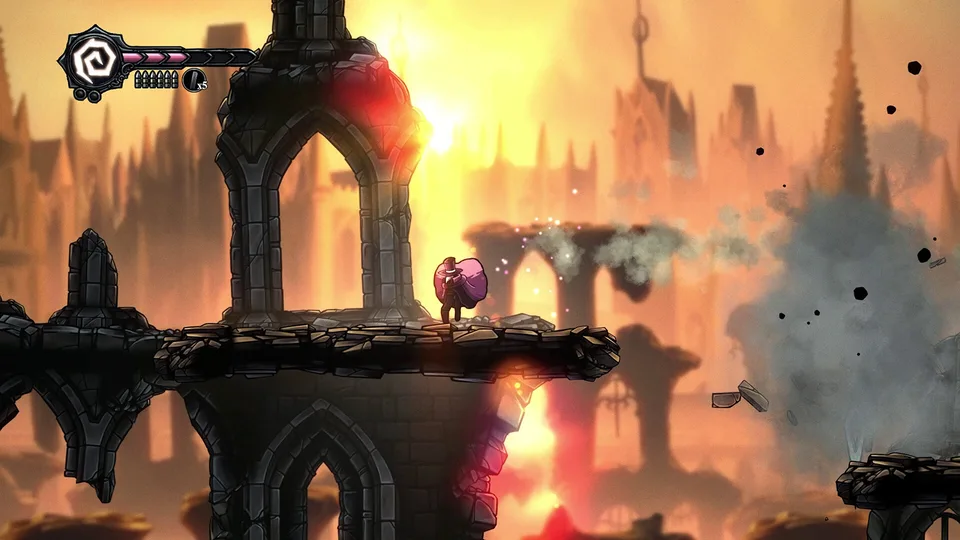
Crowsworn vs Hollow Knight: A Deep Dive into Gameplay and Style
Explore the comparisons between Crowsworn and Hollow Knight, analyzing their unique gothic aesthetics, combat mechanics, and the ongoing community debate.
Published: Crowsworn Wiki Editorial Team
Table of Contents
Understanding the Comparison
The discourse surrounding Crowsworn and Hollow Knight often stems from the high regard players hold for the latter. Hollow Knight, developed by Team Cherry, has become the gold standard for modern Metroidvanias. When a new title enters the scene, especially one with similar platforming or combat sensibilities, the community naturally draws parallels.
It is important to clarify that Crowsworn is an independent project by Mongoose Rodeo. While trailers showcase mechanics like dashing, pogo-jumping off spikes, and save-point statue systems that mirror elements found in Hollow Knight, these features are staples of the genre. The core difference lies in the execution: Hollow Knight prioritizes precision and defensive patience, whereas Crowsworn aims for high-octane, aggressive combat.
Combat Mechanics and Pacing
One of the most frequent points of discussion in gaming forums is how combat feels in these two titles. Hollow Knight is celebrated for its souls-like, deliberate combat loop. Players must learn boss patterns, time their heals, and manage their Soul meter carefully. Every action has a weight that defines the game's challenging yet fair reputation.
In contrast, Crowsworn presents a faster, more visceral approach. According to early gameplay showcases, the combat is heavily influenced by action games like Devil May Cry.
Hollow Knight Combat
Defined by precision and rhythm. The focus is on spacing, movement, and learning boss tells. It rewards players who take their time to observe and react.
Crowsworn Combat
Defined by aggression and combo potential. Utilizing a mix of scythes and dual pistols, the gameplay encourages constant movement and sustained offensive pressure.
Aesthetic and World Design
The visual identity of both games serves as their primary differentiator. Hollow Knight uses a clean, elegant art style that makes its expansive world feel alive through subtle ambiance and detailed environments. The "bug" theme, while initially sounding niche, provides a cohesive and charming world-building foundation.
Crowsworn takes a different path, opting for a dark, gothic, and savage atmosphere. Community reports often compare its visual tone to Bloodborne or classic dark fantasy titles. This aesthetic choice aims to capture a more mature, dangerous, and mysterious vibe. For players who found Hollow Knight’s world too calm or "cutesy," Crowsworn offers a grittier alternative that satisfies a different visual preference.
The "Inspiration vs. Plagiarism" Debate
A significant portion of the community discussion revolves around whether Crowsworn is "too similar" to its predecessors. This is a common hurdle for any new Metroidvania.
Tip
When evaluating a new game, consider the "genre standard" argument. Many mechanics—such as the map system, bench-style respawn points, and ability-gated progression—are foundational to the Metroidvania genre. What matters is how these mechanics are combined to create a unique "feel."
Some community members argue that Crowsworn leans too heavily into the visual language established by Hollow Knight. Others, however, view this as a natural progression of the genre. As noted in various community discussions, if every game were required to be 100% original in every mechanic, the genre would struggle to evolve. The consensus among many enthusiasts is that the presence of high-quality titles like Crowsworn only serves to push developers to innovate further, ultimately benefiting the players who want more content in this space.
Evaluating Developer Transparency
A notable strength for Crowsworn has been the developer's approach to communication. Unlike the pre-launch strategy of some studios that remain quiet until a trailer drops, the team behind Crowsworn has maintained a level of transparency that builds trust.
Regular Updates: Providing fans with consistent looks at development progress helps manage expectations.
Community Engagement: By showing polished, cinematic trailers early, the developers have successfully cultivated a dedicated audience.
Risk Management: The primary challenge, as highlighted by experienced players, is the pressure to deliver. When a game generates massive hype, the final product must be polished to avoid the pitfalls of "over-promising."
FAQ: Common Concerns
Is Crowsworn a sequel to Hollow Knight?
No. Crowsworn is an entirely separate project developed by Mongoose Rodeo and shares no development history or lore with Hollow Knight.
Are the combat systems identical?
While both games share common Metroidvania mechanics like dashing and air-dashing, their combat philosophies differ. Hollow Knight is defensive and rhythmic, while Crowsworn is designed to be aggressive and combo-heavy.
Should I play Hollow Knight before Crowsworn?
If you enjoy the Metroidvania genre, Hollow Knight is a foundational experience. Playing it will give you a better understanding of the mechanics that define the genre, helping you appreciate the specific changes and innovations Crowsworn brings to the table.
Final Thoughts on Genre Evolution
Whether Crowsworn will reach the legendary status of Hollow Knight in terms of sales or cultural impact remains to be seen. However, the competition is a win for the gaming community. By offering a darker, faster, and more aggressive take on the formula, Crowsworn carves out its own niche. Players looking for more Metroidvania experiences now have a broader range of styles to choose from, proving that the genre is not just surviving, but thriving.